Trending

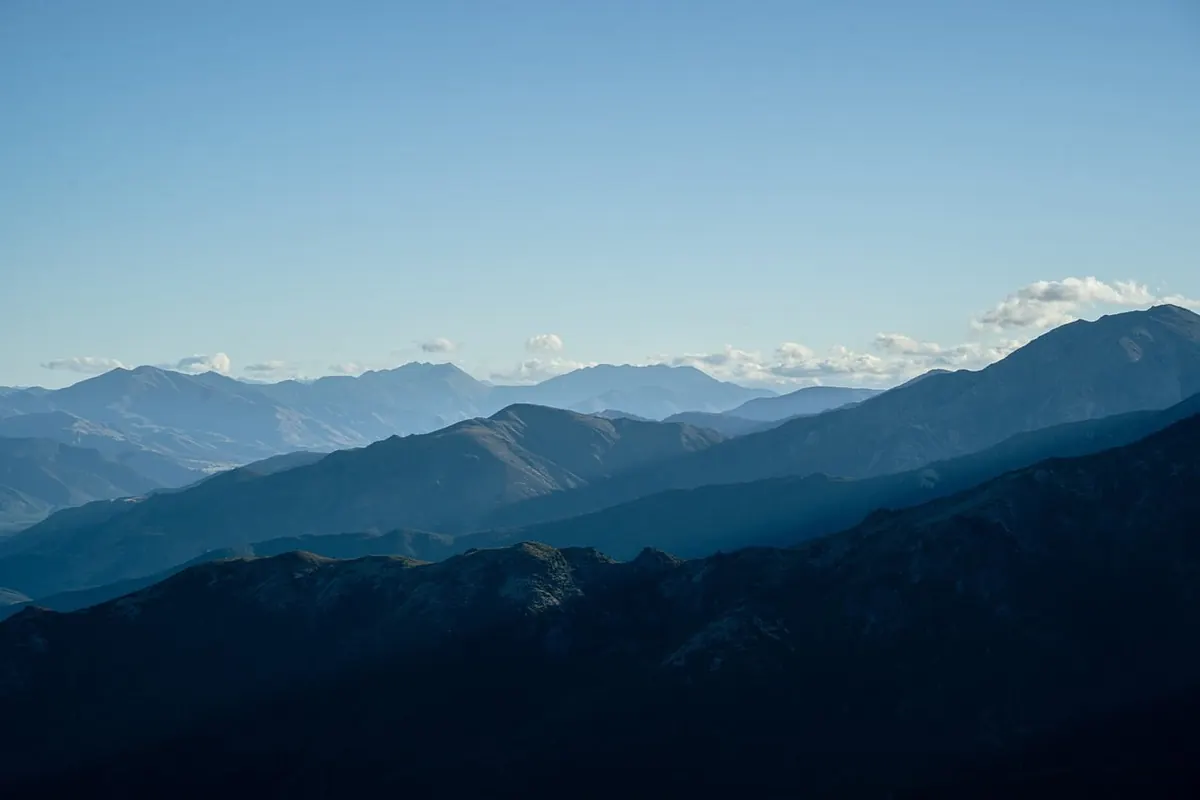
Somewhere in the Scottish hills is a stone building with no electricity, no booking system and no staff. The door is unlocked. Inside you will find a wooden floor, a bench or two, perhaps a fireplace, and a notebook filled in by whoever stayed last. Bothies are the plainest and cheapest accommodation in Britain — they cost nothing — and they come with responsibilities that matter more than the comfort they offer.
A bothy is a basic, unstaffed building left open for anyone to use, free of charge. Most are former cottages, shepherd's huts or estate buildings in remote places: a glen floor, a hillside, an island. The Mountain Bothies Association looks after the largest network, with volunteers handling repairs and upkeep. A few others are kept going by estates, trusts or walking clubs.
Inside, expect shelter and very little else. A typical bothy has one or two rooms, a sleeping platform or bare floorboards, a table and benches, and sometimes a fireplace or a small stove. There is no running water, no electricity, no bedding, no bins, and often no toilet beyond a spade and a private spot.
It also helps to know what a bothy is not. It is not a hostel, a bunkhouse or a campsite. Nothing can be booked, no key exists, and nobody will meet you at the door. You take your chances on who else turns up, and you leave the place as you would want to find it.
Most of it is common sense with a long memory. These buildings stay open because landowners, volunteers and visitors trust one another; break that trust often enough and a bothy gets locked.
You will sleep beside people you have never met, and that is part of the appeal. Say hello, offer tea, share the fire if there is one. Equally, read the room: a bothy is not a party venue, and people who have walked ten hours in rain want sleep more than conversation. If you snore, mention it early.
A bothy gives you a roof and four walls. Everything else is yours to carry. Think of it as wild camping with the tent left at home.
The Mountain Bothies Association publishes a list of the bothies it maintains, with grid references, notes on approach routes and details of any restrictions. Printed guidebooks cover the same ground in more depth, and bothies are sometimes marked on Ordnance Survey maps as a building or with the word "bothy".
Check the access notes before you leave, and again in the week you travel. Some bothies are closed for a few weeks in autumn when deer stalking is under way, or during lambing, or while maintenance happens. Estates ask walkers to avoid certain glens during the stag season, and the Heading for the Scottish Hills service exists to show which areas are affected and when. Scotland's access rights are generous, but they do not extend to vehicles — a bothy track is a walking route unless it is a public road.
Finally, be honest about the approach. A bothy six kilometres from the nearest road is a proper hill day in winter conditions, not a short stroll. Check the map for river crossings, boggy ground and steep ground, and allow more time than the distance suggests.
Bothies sit in the middle of the weather, not beside it. Tell someone your route and your expected return, carry a map and compass you can actually use, and treat a bothy as shelter rather than a guaranteed rescue. In winter, reaching the door is the hard part, and that needs winter skills and winter kit.
Water from a fast-flowing hill burn is usually fine, but boilds and filters take the guesswork out if you are unsure or if there is grazing upstream. If you become unwell after a trip, speak to a doctor rather than trying to self-diagnose.
Midges are a fact of Scottish life from roughly May to September, worst on still, damp days on the west coast and at dawn and dusk. A cheap head net saves an entire evening. Ticks are worth a check too, particularly in long grass and bracken.
Pick one bothy within two or three hours' walk of a road, go midweek in spring or autumn, and arrive in daylight. Carry one layer more than you think you need, eat something hot before bed, and settle your sleeping bag away from the door so late arrivals can get in without stepping on you. In the morning, sweep the floor, take your rubbish, latch the door, and walk out leaving nothing behind but a line in the logbook.
Photo: timjl / Pixabay