Trending

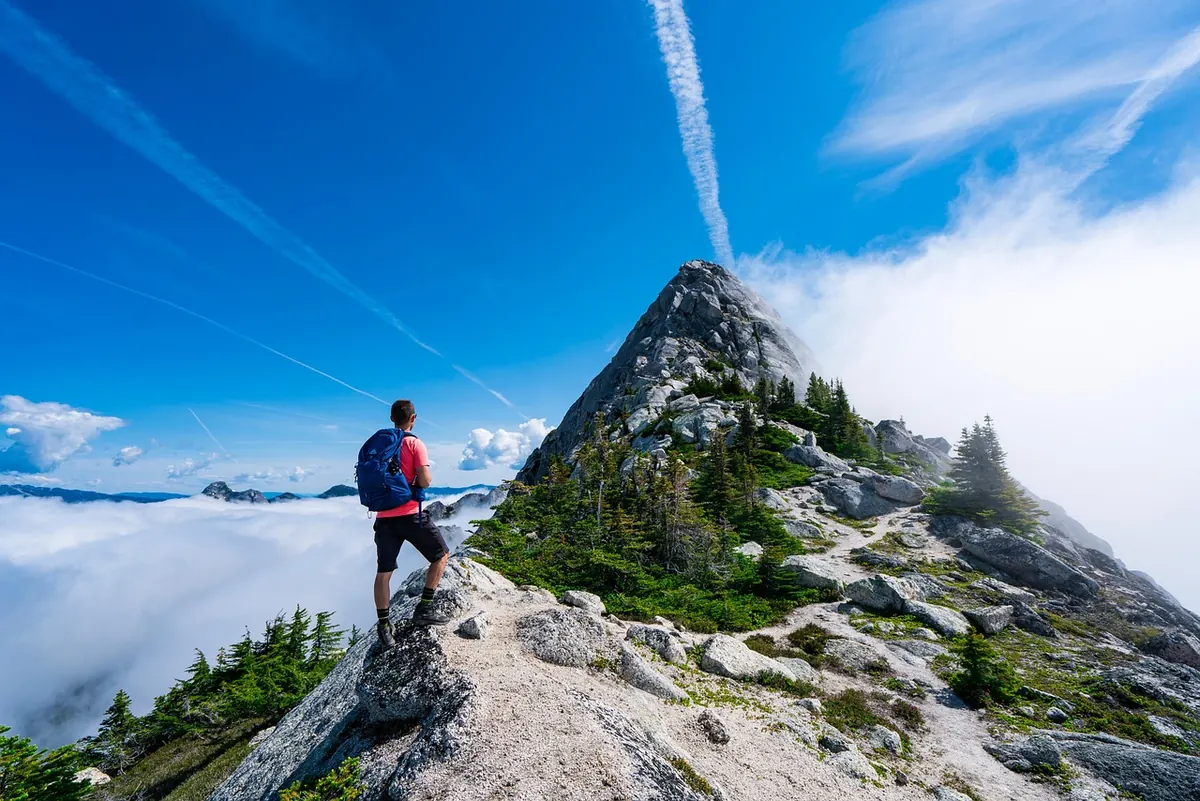
Your first solo camping trip does not need to be remote, dramatic or far from a bus stop. It needs to be somewhere you can reach without a car, pitch without a fuss, and walk away from the next morning feeling pleased with yourself rather than lucky to be alive.
Britain's national parks are not interchangeable. They differ enormously in how easy they are to get to on public transport, how rough the ground is underfoot, and how well their campsites suit someone turning up alone with a rucksack. Choosing the right one matters far more than choosing the most beautiful one.
Before you scroll through photographs, answer these. If you cannot answer all four confidently, pick a different park.
That last one is not defeatism. Knowing you can leave is what makes staying feel like a choice.
Rail access is the single biggest difference between the parks, and it is where the Peak District quietly wins. The Hope Valley line between Manchester Piccadilly and Sheffield stops at Grindleford, Hathersage, Bamford and Edale, and there are campsites within walking distance of several of them.
The Lake District has Windermere station, plus Oxenholme, Kendal and Penrith on the West Coast Main Line. From Windermere, buses run on to Ambleside, Grasmere and Keswick, which means you can base yourself in a valley without ever touching a car.
In Eryri (Snowdonia), Betws-y-Coed sits on the Conwy Valley line and Bangor serves the north coast. The Snowdon Sherpa bus network links villages and trailheads across the park, which is genuinely useful if you would rather walk point to point than in a circle.
The Yorkshire Dales are served by the Settle to Carlisle line. Horton-in-Ribblesdale is the pick for a first trip: station, campsites, pub, and walks straight from the door. Dartmoor is reachable from Okehampton, with regular trains from Exeter. The Cairngorms have Aviemore on the Highland Main Line. The South Downs, being long and thin, have stations all along their length.
One caution applies everywhere: rural buses thin out dramatically on Sundays and in winter. Check the last service before you commit, and save a screenshot of the timetable — signal in the hills tends to vanish exactly when you need it.
Gentle terrain does not mean boring. It means you can concentrate on the dozen small tasks that solo camping involves — pitching, cooking, staying warm, getting to sleep — without also fighting the ground.
The South Downs, the North York Moors and much of the Peak District are forgiving: waymarked paths, modest climbs, plenty of exits. Dartmoor is flatter but demanding in a different way, since the moor is boggy in places and navigation is the real skill.
The Lake District and Eryri are steep. Height is gained quickly, paths are rocky, and cloud can drop without much warning. On a first solo trip, stay in the valleys and on the lower fells. Save the summits for when you have a routine and a bit of confidence behind you.
The Cairngorms are the most serious of the lot. Parts are genuinely remote, and the high plateau demands experience and proper kit. It is a wonderful place, and not where most people should start.
Campsite quality matters more when you are alone, because there is no one else to fetch water or hold a torch. Small sites with a resident owner usually beat large holiday parks: friendlier, quieter, and often more willing to keep an eye out.
Before booking, check:
A short email saying "this is my first solo trip and I'll be arriving on the 17:40 train" tends to get a helpful reply, and wardens will often put you somewhere less exposed or nearer the facilities.
In England and Wales, pitching outside a campsite generally requires the landowner's permission. Dartmoor has had a permissive arrangement in some areas, but it has changed in recent years and comes with conditions, so check the national park authority's current guidance rather than relying on older advice.
In Scotland, the land access legislation allows lightweight wild camping in many places, though certain areas — notably around Loch Lomond and the Trossachs in season — use byelaws and permits. For a first solo trip, a proper campsite is simpler anyway: it gives you water, a toilet and a human being nearby.
Keep it small. Arrive in the early afternoon, walk five to ten kilometres from the station, pitch while you still have daylight and energy, cook something simple, and sleep. The next day, walk back a different way if you can.
Tell someone where you are going and when you expect to check in. Carry a paper map and compass alongside your phone. Save the number of a local taxi firm and know the last bus home. None of this is dramatic; it is simply the difference between a good night out and a long walk in the dark.
And if you end up choosing the Peak District because it is easy to reach and the campsite has a hot shower, that is not a compromise. It is what a sensible first solo trip looks like.
Photo: NZKGB / Pixabay